
Green Certifications in Construction
Building Practices
-
Jul 14
Building Practices
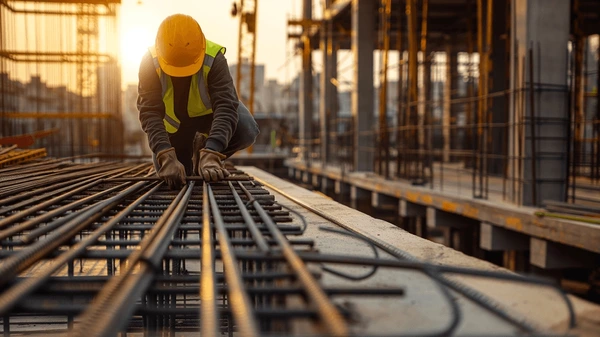
In today's world, where climate change and environmental degradation are growing concerns, sustainable building practices are no longer optional — they are essential. Sustainable construction focuses on minimizing negative environmental impact through efficient use of resources, energy, and space. This includes using renewable energy sources such as solar and wind, incorporating recycled and low-impact materials, and ensuring water conservation through systems like rainwater harvesting and greywater reuse.
Beyond materials, sustainable design considers orientation for natural light, ventilation, and thermal efficiency, reducing the need for artificial heating or cooling. Green roofs, smart sensors, and passive solar heating further enhance sustainability. These efforts contribute not only to environmental preservation but also to human health by improving indoor air quality and reducing toxic exposure. In the long run, green buildings also yield economic benefits by reducing utility costs and increasing property values.
The future of construction lies in the balance between technological advancement and environmental responsibility. Adopting these practices means not only building for today but also safeguarding the world for future generations.
-
-
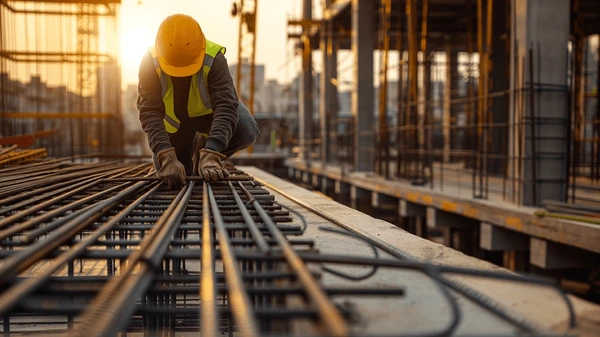
Safety Management on Construction
-
Modern Interior Fit-Outs
-
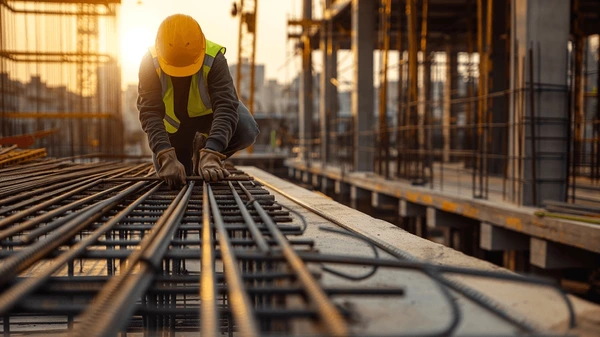
Smart Construction Technologies
-
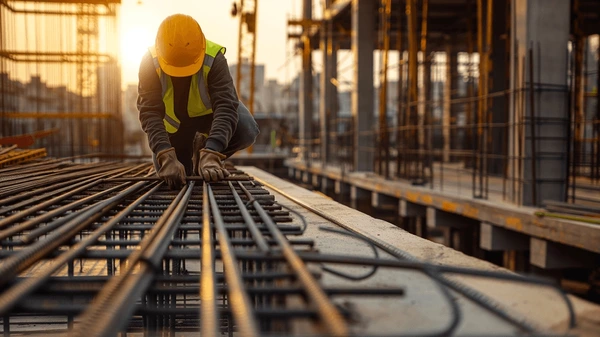
Foundations and Structural Integrity