
Green Certifications in Construction
Foundations and Structural Integrity
-
Jul 14
Foundations and Structural Integrity
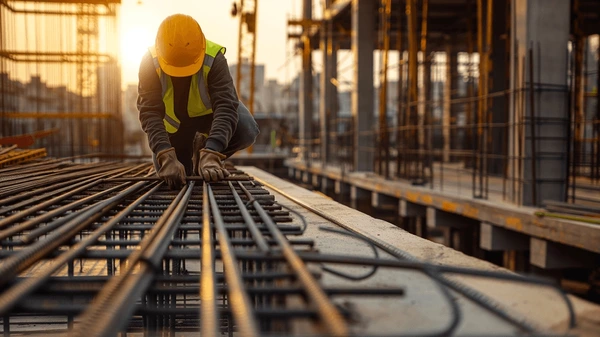
The foundation of a building is literally and figuratively what holds everything together. It bears the entire weight of the structure and ensures it remains upright, level, and protected against natural forces like earthquakes, floods, and shifting soils. A poorly designed foundation can lead to structural failure, cracks, water damage, and eventual collapse — risks that are often irreversible and costly.
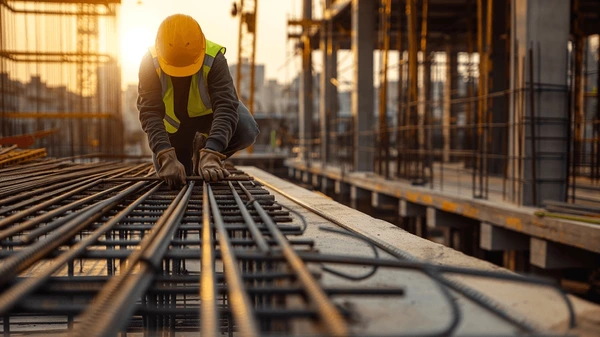
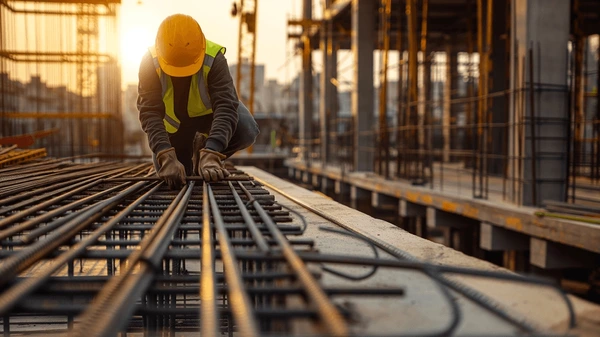
Engineers conduct extensive soil testing to determine the load-bearing capacity before selecting the appropriate foundation type: shallow (spread, mat) or deep (pile, drilled shafts). Structural integrity goes beyond foundations. It includes framing systems, reinforcement strategies (like steel rebar in concrete), and adherence to seismic and wind resistance codes.
With modern construction technologies, engineers can now simulate stress loads and predict how a structure will perform under extreme conditions using software. Regular inspections, high-quality materials, and skilled labor are also crucial for maintaining long-term durability. Safety begins at the ground level — both in design and implementation — and remains a critical pillar throughout a building's life cycle.
-
-
Safety Management on Construction
-
Modern Interior Fit-Outs
-
Smart Construction Technologies
-
Building Practices